Phishing Emails: How to Protect Your Business from the Most Common Threat
A single suspicious email can cost your business money, data, and reputation. Learn how to spot phishing attempts and protect your team.
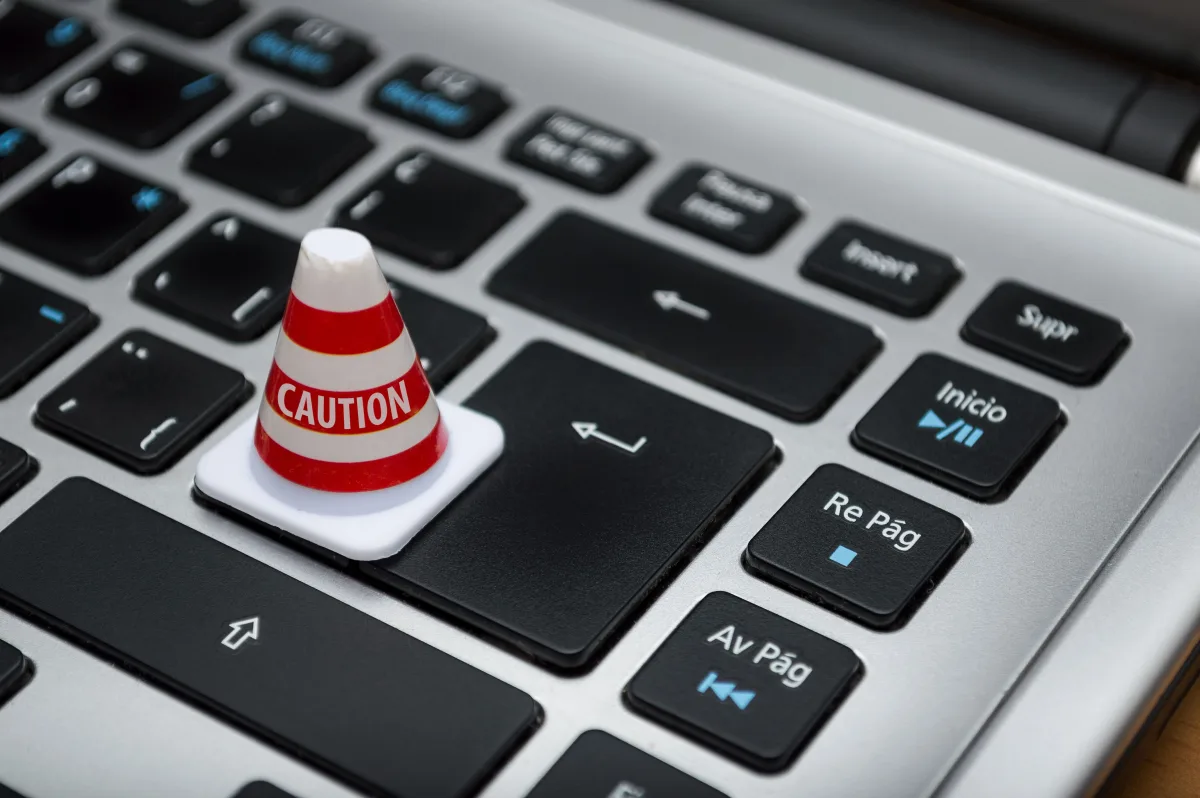
One click can cost a lot
Imagine this: an employee receives an email that looks like it's from your bank or a familiar supplier. One click on a link is enough to hand over passwords, banking access, or even your entire business network. This is phishing, and it remains the most common cause of security breaches in small and medium businesses today.
What phishing actually is
Phishing is a method of fraud where someone pretends to be a trusted sender -a bank, a business partner, even a colleague- to convince you to reveal sensitive information or click on something dangerous. The attacker doesn't need sophisticated technology. They just need a moment of carelessness from us.
Warning signs of a phishing email
- A sense of urgency: "Your account will be locked in 24 hours"
- An odd sender address, even if the display name looks familiar
- Links that don't lead where they claim -hover over them without clicking to see the real destination
- Requests for passwords, banking details, or urgent payments
- Unusual grammar mistakes or strange formatting
Why staff training is the most important defense
No matter how good your security software is, people remain the weakest -or strongest- link. A team that knows what to watch for is far more effective than any filter. That's why we recommend regular, simple training: short reminders, real examples, and one clear rule -"if something looks odd, ask before you click".
Practical tips for safe email use
- Enable two-factor authentication (2FA/MFA) on all email accounts and important applications
- Never click links from unknown or suspicious senders
- Verify payment requests or bank detail changes by phone, even if they look legitimate
- Keep regular backups of your data, so a successful attack doesn't mean disaster
- Keep software and antivirus updated regularly
How MyeliTech can help
MyeliTech, based in Drama, supports businesses across Eastern Macedonia and Thrace with email security solutions, staff training, and incident response planning. Technology alone isn't enough -proper guidance matters too. Contact us for an assessment of your business's email security.
Frequently asked questions
Banks never ask for passwords via email. If in doubt, call the bank's official, known number to verify.
Disconnect the device from the network immediately, change your passwords, and notify your IT partner for an urgent check.
A: It helps, but it's not enough on its own. Staff training and two-factor authentication are equally important.
We recommend short refreshers every few months to keep staff alert.
Related articles
Passwords & Password Managers: Why "Kostas1975" Is Exposing Your Business
The same password on ten accounts, written on a sticky note next to the screen. Sound familiar? See why the passwords we "remember" are the number one security gap, what a password manager is, and how a business puts its credentials in order once and for all.
Read more
Cybersecurity for Small Businesses: 5 Threats You Don't See
You don't need to be technical to protect your business. Learn the 5 most common threats and the simple steps that make the difference.
Read more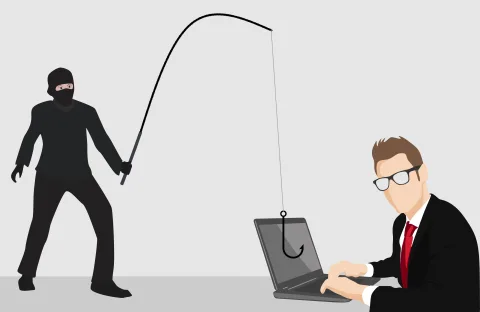
Email Security & Phishing: The Most Common Point of Attack
A malicious email needs just one click to open the door to your entire business. See how to recognize phishing, why it still fools careful people, and how to actually protect yourself.
Read moreNeed help with this?
See how we can help with: Data protection and recovery solutions
Ready to upgrade your infrastructure?
Let's talk about your business needs — no commitment.